
Stephen Tindall: The Founder Who Changed New Zealand Retail
The verified story of The Warehouse founder, K1W1 investor, philanthropist and supporter of clean-energy innovation

Introduction
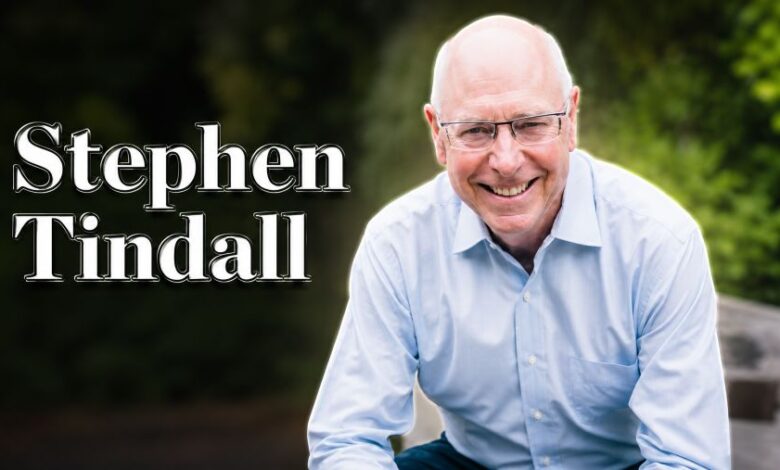
Sir Stephen Tindall is a New Zealand entrepreneur, investor and philanthropist. He is best known for founding The Warehouse, one of New Zealand’s most recognisable retail businesses.
He opened the first Warehouse store in Auckland in 1982. The company grew from one simple discount shop into a nationwide retail group. He later used his experience and money to support young New Zealand companies, community projects and environmental work.
As of July 2026, Tindall is the Chair of the New Zealand Hydrogen Council, the Founder and Chair of K1W1, and a Founder and Trustee of The Tindall Foundation. He is no longer responsible for the daily management of The Warehouse.
Stephen Tindall Quick Facts
| Detail | Verified information |
|---|---|
| Full name | Sir Stephen Robert Tindall |
| Birth year | 1951 |
| Nationality | New Zealander |
| Profession | Entrepreneur, investor and philanthropist |
| Known for | Founding The Warehouse |
| First Warehouse store | Wairau Road, Auckland |
| Business founded | The Warehouse |
| Investment company | K1W1 |
| Charitable organisation | The Tindall Foundation |
| Current public role | Chair of the New Zealand Hydrogen Council |
| Wife | Lady Margaret Tindall |
| Major honour | Knight Grand Companion of the New Zealand Order of Merit |
Who Is Stephen Tindall?
Stephen Tindall is one of New Zealand’s most important modern business founders.
He became famous because he created The Warehouse and helped make everyday products more affordable for New Zealand families. His red Warehouse stores became a familiar part of shopping centres and towns across the country.
However, his public work is not limited to retail. He has also invested in New Zealand start-ups, supported charities, promoted environmental projects and helped develop cleaner forms of transport and energy.
Readers interested in similar founders can explore more New Zealand entrepreneurs and business leaders on NZBeat.
Early Life and Education
Stephen Tindall was born in 1951.
He attended Takapuna Grammar School in Auckland. He later completed a Diploma of Management at the Auckland Institute of Technology, which is now known as Auckland University of Technology.
His education gave him a basic understanding of business and management, but much of his retail knowledge came from practical experience.
Before creating The Warehouse, he worked for George Court & Sons for around 12 years. He rose to the position of Merchandise Director, where he learned about products, prices, customers and store operations.
This experience helped him understand what New Zealand shoppers needed and where older retail models were failing.
How Stephen Tindall Started The Warehouse
Stephen Tindall opened the first Warehouse store on Wairau Road on Auckland’s North Shore in 1982.
At the time, many products in New Zealand were expensive. Import tariffs and a protected economy made it difficult for families to find affordable household goods.
Tindall saw an opportunity to build a simple store that offered a wide range of products at lower prices.
The first shop did not try to look expensive or luxurious. Products were displayed in a plain warehouse-style building. The focus was on value, convenience and choice rather than costly decoration.
The idea was simple: sell useful products at prices that more people could afford.
According to The Warehouse Group’s official founder profile, Tindall’s first store later developed into the famous red stores known across New Zealand.
Why The Warehouse Became Successful
The Warehouse did more than sell cheap products.
Its success came from an organised business system that helped keep costs low. The company used efficient purchasing, supply chains, distribution centres and modern retail technology.
This allowed it to offer competitive prices while continuing to expand.
The Warehouse also understood local shoppers. Its stores carried clothes, toys, home products, electronics, gardening supplies and many other everyday items.
Customers did not need to visit several specialist shops. They could find many things in one place.
The company’s message was easy to understand: make desirable products affordable.
That clear idea helped The Warehouse become part of everyday life in New Zealand.
The Warehouse Growth Timeline
The company grew quickly after the first store opened.
Important milestones include:
- 1982: The first Warehouse store opened in Wairau Road, Auckland.
- 1991: Annual sales passed NZ$100 million.
- 1991: The first Warehouse Stationery store opened.
- 1994: The Warehouse was publicly listed on the New Zealand Stock Exchange.
- 2000: Annual sales passed NZ$1 billion.
- 2009: Online shopping was introduced.
- 2013: The Warehouse Group acquired Noel Leeming and several other retail businesses.
These milestones show how one Auckland discount store developed into a major retail group.
Stephen Tindall’s Leadership at The Warehouse
Tindall served as Managing Director of The Warehouse until January 2001.
After appointing a new chief executive, he moved into a founder-focused position. He later returned as Group Chief Executive between May 2003 and October 2004.
His role changed as the company became larger. Instead of controlling every daily decision, he focused more on long-term ideas, investment and community work.
This transition is common among company founders. A person may be excellent at creating a business, but a growing public company needs a larger leadership team and formal systems.
New Zealand business figures have followed different leadership paths. For example, Anna Mowbray helped build international operations at ZURU before creating the employment platform ZEIL.
K1W1 and Support for New Zealand Start-Ups
Stephen Tindall later became an important investor in young New Zealand companies.
He founded K1W1, an investment organisation that supports start-ups and early-stage businesses. Its name reflects a strong connection to New Zealand and Kiwi enterprise.
K1W1 has invested in businesses working in areas such as technology, science, environmental solutions, clean energy and global exports.
Young companies often have good ideas but struggle to find enough money to develop products, hire workers or enter international markets.
Tindall’s investment work has helped some of these companies move from an early idea towards becoming established businesses.
His approach is based on the belief that successful New Zealand companies can create skilled jobs, develop new technology and bring international income into the country.
This practical interest in business growth connects with the work of Luke Kemeys, who has built a public platform around making business numbers and financial information easier for New Zealanders to understand.
What Is Stephen Tindall’s Current Role?
As of July 2026, Stephen Tindall is listed as the Chair of the New Zealand Hydrogen Council.
The council brings together organisations involved in hydrogen energy, transport, technology and infrastructure.
Hydrogen can be used as an energy source in industries where reducing carbon emissions is difficult. Supporters believe it may become useful in heavy transport, shipping, aviation and industrial processes.
Tindall’s role reflects his long interest in environmental technology and cleaner business systems.
He is also publicly identified as the Founder and Chair of K1W1 and remains a Founder and Trustee of The Tindall Foundation.
Work With Team New Zealand and Clean Transport
Stephen Tindall has had a long relationship with Emirates Team New Zealand.
He supported the sailing team and previously served as its chairman. His involvement later included sustainability projects and cleaner marine technology.
One important project involved a hydrogen-powered foiling chase boat.
A chase boat follows a racing yacht and carries people, equipment and emergency support. Traditional chase boats normally use petrol or diesel engines.
The hydrogen project explored whether a high-speed support boat could operate with lower emissions.
This work connected sailing technology with a wider environmental goal. It also showed how sporting projects can test technology that may later have other uses.
The Tindall Foundation
Stephen and Margaret Tindall established The Tindall Foundation in 1994.
The Foundation supports organisations working with families, children, young people, communities and the natural environment.
Unlike a normal business investment, charitable funding is not mainly designed to produce a financial profit. Its purpose is to create a useful and lasting social result.
The Tindall Foundation’s official website reported that it had donated approximately NZ$244 million since 1994 by the 2024–25 reporting period. It also supported more than 700 organisations during that financial year.
Its work includes support for:
- Families and young children
- Safe housing and essential needs
- Youth development
- Community-led projects
- Māori and Pasifika leadership
- Environmental restoration
- Clean energy and climate resilience
- Education and employment opportunities
How The Foundation’s Approach Is Different
The Tindall Foundation often works with local organisations that already understand their communities.
This is important because national organisations may not always understand the exact needs of a small town, neighbourhood or cultural group.
Local groups can often identify problems earlier and build stronger relationships with the people they support.
The Foundation also focuses on long-term change. This may involve testing a new idea, helping an organisation become stronger or supporting a project that can later grow.
This type of giving is sometimes called catalytic philanthropy. It means using funding to help start or expand a solution that may continue creating value in the future.
Tindall’s community focus can also be compared with the career of Greg Fleming, whose public work developed through charities, family-support organisations and community leadership before he entered Parliament.
Wife and Family Life
Stephen Tindall is married to Lady Margaret Tindall.
The Foundation’s official profile says the couple married in 1973 and raised five children.
Margaret has played an important role in the family’s charitable work. She is a Founder and Trustee of The Tindall Foundation and has publicly discussed her interest in social justice, families and community support.
Their children have also become involved in parts of the family’s investment and charitable activities.
Only publicly confirmed family information is included because private details are not necessary for understanding Stephen Tindall’s career.
Honours and Public Recognition
Stephen Tindall has received several important honours for his work.
In 1997, he was appointed an Officer of the New Zealand Order of Merit for services to business and the community.
He later received a higher honour and became a Knight Companion.
In the 2019 New Year Honours, he was appointed a Knight Grand Companion of the New Zealand Order of Merit.
The New Zealand Government said the honour recognised his services to business, the community and the environment.
He has also received honorary doctorates and was named Kiwibank New Zealander of the Year in 2015.
Why Is Stephen Tindall Famous?
Stephen Tindall is famous mainly because he founded The Warehouse.
However, his wider public importance comes from four connected areas:
- Retail: He created a discount-store model that became familiar across New Zealand.
- Investment: He backed start-ups and early-stage Kiwi businesses.
- Philanthropy: He helped build a major family foundation supporting communities and the environment.
- Sustainability: He supported cleaner technology, hydrogen development and environmental projects.
His career shows that a business founder can continue creating public value after leaving daily company management.
Stephen Tindall’s Leadership Style
Tindall’s career suggests a practical and long-term leadership approach.
He identified a clear problem in retail: many useful products were too expensive for ordinary families.
He then developed a simple solution and built systems that allowed it to grow.
Later, he applied a similar approach to investment and charity. Instead of supporting ideas only for a short time, he focused on projects that could create employment, stronger communities or environmental benefits.
Leadership also depends on building capable organisations. This can be seen in many industries, including the work of insurance executive Debbie Eyre, whose career has focused on improving large business operations and customer systems.
Business Lessons From Stephen Tindall’s Journey
Solve a real problem
The Warehouse succeeded because it answered a simple customer need: affordable products in one convenient place.
A business idea becomes stronger when it solves a clear problem.
Keep the main message simple
Customers understood what The Warehouse offered. The company focused on low prices, choice and practical value.
A confusing business message can make even a good product difficult to sell.
Build systems for growth
One store can be managed by a small team. A nationwide company requires strong supply chains, technology, managers and financial controls.
Growth depends on systems, not only personal effort.
Think beyond personal success
Tindall’s later work shows how business knowledge and money can support new founders, charities and environmental projects.
Financial success can become more meaningful when it creates opportunities for other people.
Prepare for the future
His involvement in start-ups, technology and hydrogen shows an interest in industries that may become more important in the coming years.
Strong leaders do not only study today’s problems. They also prepare for tomorrow’s needs.
Verified Interesting Facts
- Stephen Tindall began his retail career at George Court & Sons.
- He worked there for around 12 years before creating The Warehouse.
- The first Warehouse opened in Auckland in 1982.
- The company passed NZ$1 billion in annual sales in 2000.
- He and Margaret Tindall established their Foundation in 1994.
- He founded K1W1 to support New Zealand start-ups.
- He has supported technology connected with clean energy and hydrogen.
- He was appointed a Knight Grand Companion in 2019.
- The Tindall Foundation reported NZ$244 million in donations since 1994 by its 2024–25 reporting period.
Frequently Asked Questions
Who is Stephen Tindall?
Stephen Tindall is a New Zealand entrepreneur, investor and philanthropist. He is best known as the founder of The Warehouse.
What company did Stephen Tindall start?
He founded The Warehouse and opened its first store in Auckland in 1982.
What is Stephen Tindall known for?
He is known for building The Warehouse, investing in Kiwi start-ups through K1W1 and establishing The Tindall Foundation with his wife, Margaret.
Is Stephen Tindall still involved with The Warehouse?
He is the company’s founder, but he is no longer responsible for its daily management.
What is K1W1?
K1W1 is an investment organisation founded by Stephen Tindall. It supports start-ups and early-stage New Zealand businesses.
Who is Stephen Tindall’s wife?
His wife is Lady Margaret Tindall. They married in 1973 and jointly established The Tindall Foundation.
What does The Tindall Foundation do?
It supports projects connected with families, young people, communities, essential needs, employment and the natural environment.
What is Stephen Tindall’s current position?
As of July 2026, he is the Chair of the New Zealand Hydrogen Council. He is also the Founder and Chair of K1W1 and a Founder and Trustee of The Tindall Foundation.
Why did Stephen Tindall receive a knighthood?
His honours recognised his services to New Zealand business, communities and the environment.
Conclusion
Stephen Tindall changed New Zealand retail by creating a simple store focused on affordable products.
The Warehouse grew because it understood ordinary shoppers and developed strong systems behind its low-price promise.
Tindall later expanded his work into start-up investment, philanthropy and environmental technology. Through K1W1 and The Tindall Foundation, he has supported businesses, families, young people, local organisations and environmental projects.
His public story is not only about building a successful company. It is also about using business experience to create opportunities for others and support New Zealand’s future.




2 Comments