
Julian Wilcox: Remarkable Māori Media Career and Background
A clear look at Julian Wilcox’s Māori broadcasting work, iwi background, education, RNZ role and public impact in New Zealand.

Introduction
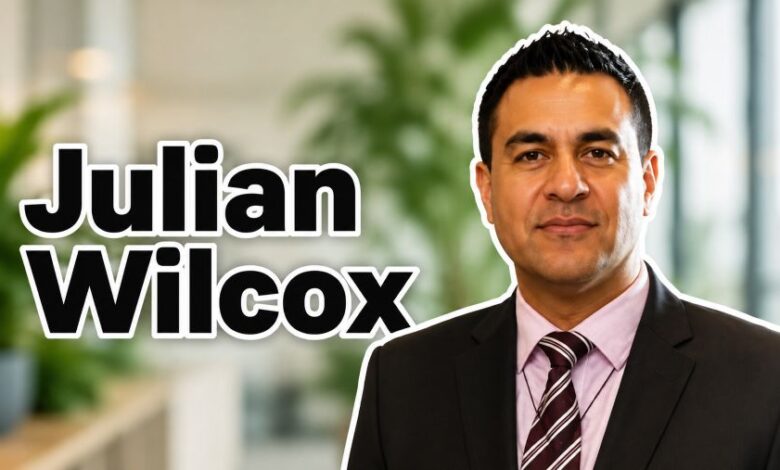
Julian Wilcox is a respected New Zealand Māori broadcaster, presenter and former television executive.
He is known for his long work in Māori media, including Whakaata Māori, Native Affairs, RNZ’s Māpuna and The Hui.
For many New Zealand readers, his story is important because it connects media, te reo Māori, public discussion and Māori identity.
Readers who follow New Zealand people and public life may know him as one of the strong Māori voices in Aotearoa broadcasting.
Julian Wilcox Quick Facts
| Detail | Information |
|---|---|
| Full name | Julian Wilcox |
| Nationality | New Zealander |
| Ethnicity | Māori |
| Iwi | Ngāpuhi, Ngāti Tūwharetoa and Te Arawa |
| Profession | Broadcaster, presenter, MC, lecturer and former television executive |
| Known for | Māori Television, Native Affairs, RNZ’s Māpuna and The Hui |
| Languages | English and te reo Māori |
| Current public role | Host of Māpuna on RNZ National |
| Education | Victoria University of Wellington and doctoral study at Te Whare Wānanga o Awanuiārangi |
| Major honour | 2023 Ngarimu VC and 28th Māori Battalion Memorial Doctoral Scholarship |
Who Is Julian Wilcox?
Julian Wilcox is a Māori broadcaster and media figure from New Zealand.
He has worked across radio, television, public speaking, current affairs and Māori language education.
The RNZ presenter profile lists him as the host of Māpuna, Waitangi Day and Matariki programming.
RNZ also says he is fluent in te reo Māori and English, and that he presents Māpuna on RNZ National every Saturday.
Why Is Julian Wilcox Famous?
He is famous for his strong role in Māori broadcasting.
He was one of the founding members of Whakaata Māori, also known as Māori Television.
He became one of the most recognised faces of the channel during its first decade.
His work included presenting and producing Māori Television’s ANZAC Day coverage and the current affairs programme Native Affairs.
He later worked as general manager of news and current affairs at Māori Television.
Julian Wilcox Nationality and Māori Background
Julian Wilcox is a New Zealander.
His public iwi connections are Ngāpuhi, Ngāti Tūwharetoa and Te Arawa.
These Māori connections are central to his public work, because much of his career has focused on Māori stories, te reo Māori and Māori public issues.
His media career has helped bring Māori voices, history and community matters to a wider New Zealand audience.
Education and Academic Journey
Julian Wilcox studied at Victoria University of Wellington.
Public education sources say he completed a Bachelor of Arts in politics, Māori and education.
In 2023, he received the Ngarimu VC and 28th Māori Battalion Memorial Doctoral Scholarship.
The Te Ao Māori News report said the two-year scholarship supported his Doctor of Philosophy in Indigenous Studies at Te Whare Wānanga o Awanuiārangi.
His thesis focused on Kupe and traditions about the journey to Aotearoa.
This shows that his work is not only in broadcasting. It also connects to Māori history, research and Indigenous knowledge.
Early Career in Māori Media
Julian Wilcox began building his public career through Māori broadcasting.
He worked in Māori radio before moving further into television.
He later became connected with Māori Television from its early years.
This was a major moment in New Zealand media because Māori Television gave more space to te reo Māori, tikanga Māori and Māori viewpoints.
Wilcox became part of that shift and helped shape how Māori stories were told on national television.
Work With Whakaata Māori
Whakaata Māori became one of the most important parts of Julian Wilcox’s career.
He helped present and produce major programmes for the channel.
He became especially known through Native Affairs, a current affairs show that focused on Māori issues, politics, society and public accountability.
His work on Māori Television helped many viewers see Māori current affairs in a serious and professional format.
It also made him one of the best-known Māori broadcasters of his generation.
RNZ and Māpuna
Julian Wilcox now presents Māpuna on RNZ National.
Māpuna is a weekly programme that shares interviews with Māori from many parts of Aotearoa.
The programme covers people from sport, business, arts, community work, politics, music and history.
This makes Māpuna important for listeners who want to understand Māori life in modern New Zealand.
His RNZ role keeps him connected to public discussion and Māori storytelling.
The Hui and Current Affairs
Julian Wilcox is also linked with The Hui, a Māori current affairs programme.
The show covers major issues affecting Māori communities and wider New Zealand.
His presenting style is serious, direct and focused on public understanding.
For readers who follow New Zealand television and media figures, his career shows how broadcasting can support culture, language and public debate at the same time.
Awards and Public Recognition
Julian Wilcox is an award-winning broadcaster.
RNZ says he won the Qantas Best Current Affairs Presenter award in 2012.
Johnson & Laird also lists him as a strong Māori media expert, presenter and MC.
His awards and long career show that his work has been recognised inside New Zealand broadcasting.
Te Reo Māori and Public Impact
Te reo Māori is a major part of Julian Wilcox’s public identity.
He is fluent in te reo Māori and English.
He has also lectured in te reo, tikanga, whaikōrero and media.
This is important because his work goes beyond presenting on screen or radio.
He has helped keep te reo Māori visible in professional media spaces.
His career also shows younger Māori that language, culture and public work can sit together.
Work Outside Broadcasting
Julian Wilcox has also worked outside daily broadcasting.
He has been chief officer of operations for Te Rūnanga o Ngāi Tahu.
He has also worked as a speaker, MC and media professional.
These roles show that his skills are used in leadership, communication, public events and Māori development.
What Is Julian Wilcox’s Nationality?
Julian Wilcox is a New Zealander.
He is also publicly identified as Māori, with iwi connections to Ngāpuhi, Ngāti Tūwharetoa and Te Arawa.
What Is Julian Wilcox’s Background?
His background is in Māori broadcasting, current affairs, te reo Māori, public speaking and Indigenous studies.
He became widely known through Māori Television and later continued his public media work through RNZ and The Hui.
What Is Julian Wilcox Known For?
He is known for Māori Television, Native Affairs, Māpuna, The Hui and his work supporting te reo Māori in media.
He is also known as a former television executive and a respected public speaker.
Is Julian Wilcox Still on RNZ?
Yes. As of July 2026, RNZ lists him as the host of Māpuna on RNZ National.
What Languages Does Julian Wilcox Speak?
He speaks English and te reo Māori.
His bilingual ability is one of the main strengths of his broadcasting career.
What Did Julian Wilcox Study?
Public sources say he studied politics, Māori and education at Victoria University of Wellington.
He later worked on doctoral study in Indigenous Studies at Te Whare Wānanga o Awanuiārangi.
What Scholarship Did Julian Wilcox Receive?
In 2023, he received the Ngarimu VC and 28th Māori Battalion Memorial Doctoral Scholarship.
The scholarship supported his PhD research connected to Kupe and Aotearoa traditions.
Why Is Julian Wilcox Important in New Zealand Media?
Julian Wilcox is important because he helped strengthen Māori representation in broadcasting.
His work gave more space to Māori language, Māori current affairs and Māori public voices.
He has worked across television, radio, education, public events and Māori leadership spaces.
Conclusion
Julian Wilcox has built a long and respected career in New Zealand media.
His work connects Māori broadcasting, te reo Māori, public affairs and Indigenous research.
From Whakaata Māori to RNZ’s Māpuna, he has helped bring Māori stories and voices to a national audience.
His career is a strong example of how media can support language, identity and public understanding in Aotearoa.




2 Comments